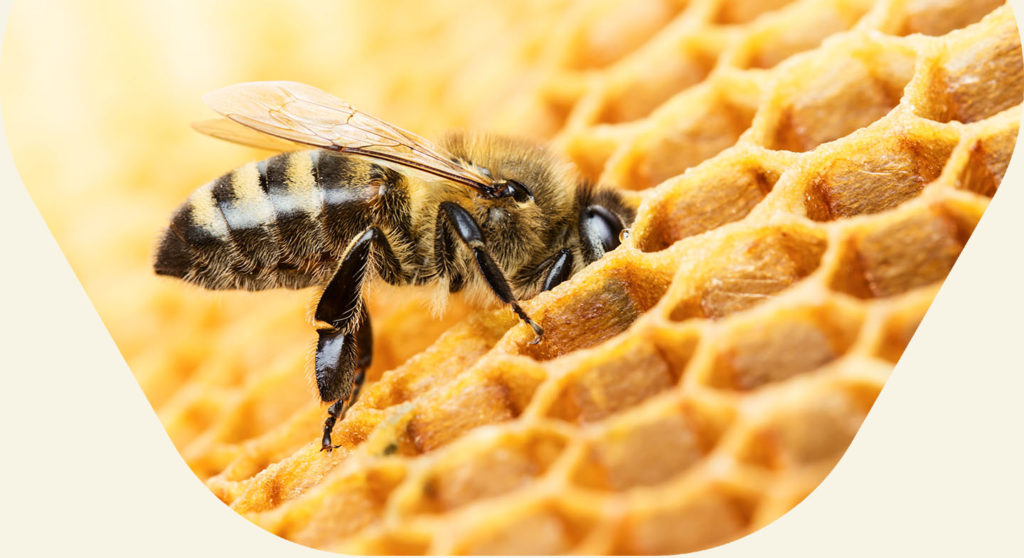




Climate and economic scourge for beekeeping
In the year 2026, we are facing a new wave of intense and prolonged heatwaves. Whilst spring had promised an exceptional beekeeping season thanks to ideal weather conditions, the summer is turning into a nightmare for many beekeepers. Faced with extremely high temperatures, the colonies’ top priority has suddenly shifted. It is no longer a question of building up honey reserves, but of surviving the furnace-like heat.
To maintain the brood at its optimum temperature of around 35 °C, the bees must actively ventilate the interior of the hive and transport huge quantities of water into it. The evaporation of this water acts as a natural air-conditioning system, but this thermal rescue comes at a dramatic cost to production. A massive proportion of the worker bees find themselves reassigned to the exclusive role of water carriers. Busy hydrating the colony and feeding the brood, the bees can no longer devote themselves to foraging. Nectar collection comes to a sudden halt, just as nature is offering its most abundant summer blooms.
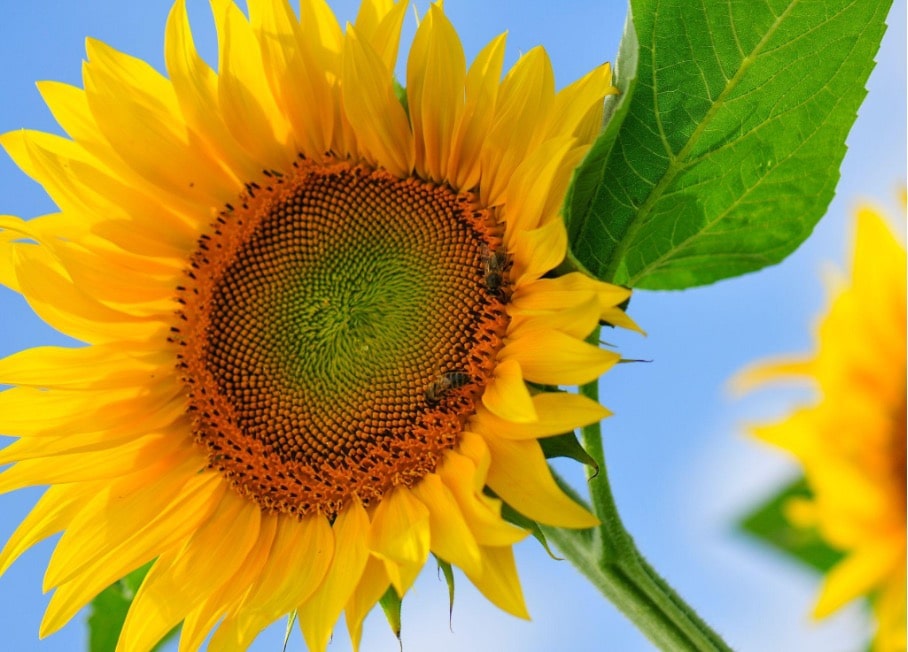
The two mainstays of summer beekeeping – lavender and sunflowers – are bearing the brunt of this disruption. Beekeepers who have moved their hives to the lavender-covered plateaus are facing a disastrous outcome, as the extreme heat prevents the plant from secreting its precious nectar. Some hives remained completely empty, with not a single kilo of honey to show for it. As for the sunflowers, the situation is just as bleak. The crops withered away at record speed due to water stress. In the space of just ten days, flowering came to an end, the flower heads drooped towards the ground and dried up, leaving nothing for the already exhausted insects to forage on.
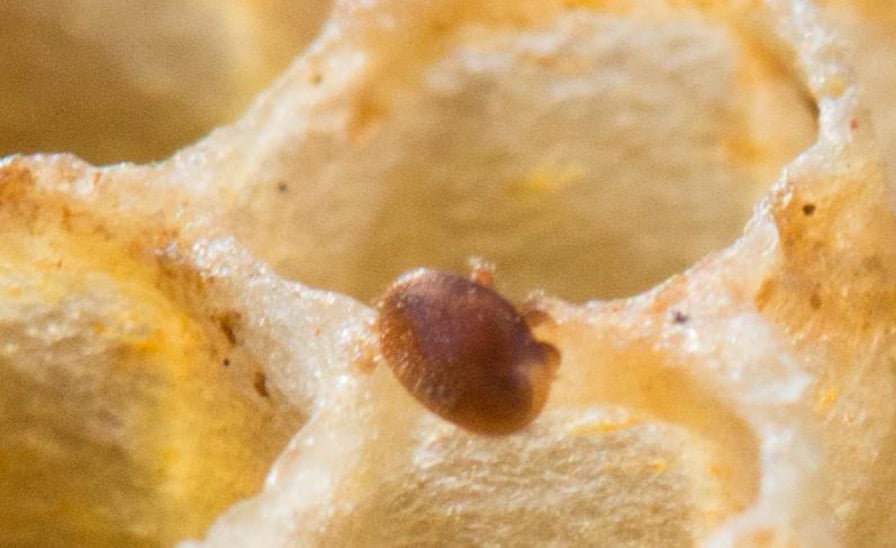
Faced with this early and abrupt end to the honey flow, beekeepers’ health management strategies must be adapted without delay. Beekeepers have no choice but to bring forward the harvest to July, as soon as flowering has finished. Waiting until the end of August or into September is a common strategic mistake, often made by hobby beekeepers who prioritise their holiday plans. However, removing the supers from the hives as early as July is crucial in order to begin treatment against Varroa destructor immediately. This parasite proliferates all the more rapidly as the bee population declines in late summer. Early treatment guarantees the survival of the future winter bees, a vital issue for the long-term survival of the colony that cannot be delayed.
As usual, share your photos with us: we’ll post them on our website from the social networks with the hashtag: #apifonda #apiinvert!
See you next month on your API blog with your faithful partner, Les Ruchers De Mathieu!

LES RUCHERS DE MATHIEU
Miellerie & Magasin d’Apiculture
Photos ©lesruchersdemathieu