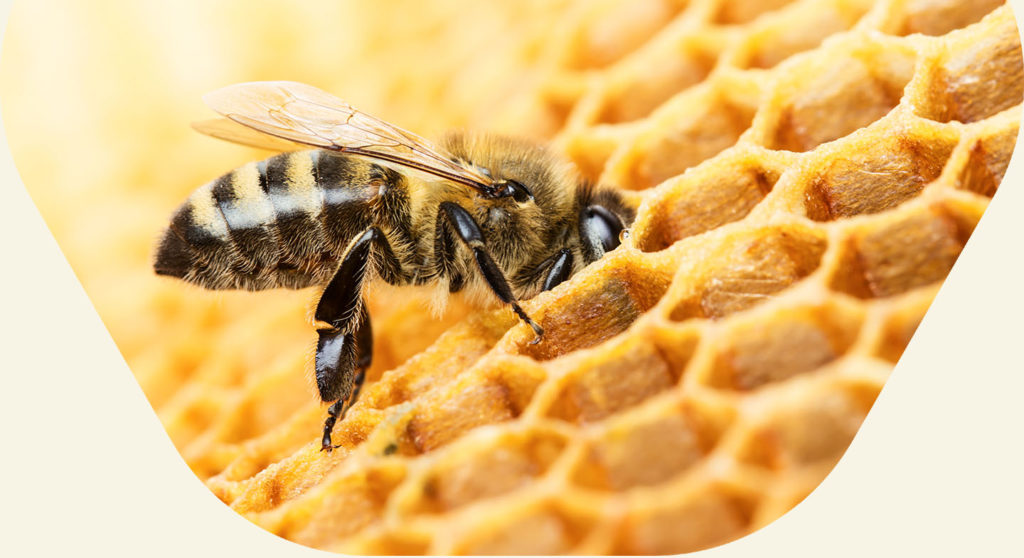




Wax: an impact on bee health
Within the hive, beeswax is not merely a building material: it forms the skeleton of the colony. It is on this precious substrate that the queen lays her eggs, the brood develops, and honey and pollen are stored. However, due to its properties (it absorbs fats), beeswax acts like a sponge. Over the course of the seasons, it binds and accumulates external pollutants such as pesticides and residues from veterinary treatments used against Varroa mites.
This invisible pollution has a direct impact on the viability of the apiary. When beeswax becomes saturated with toxic molecules, it weakens the bees’ immune system, disrupts larval development and can shorten the queen’s lifespan. The problem is exacerbated if the beekeeper uses poor-quality wax sheets, sometimes mixed with paraffin or industrial fats, which further degrades the structure of the honeycomb and impairs brood development.
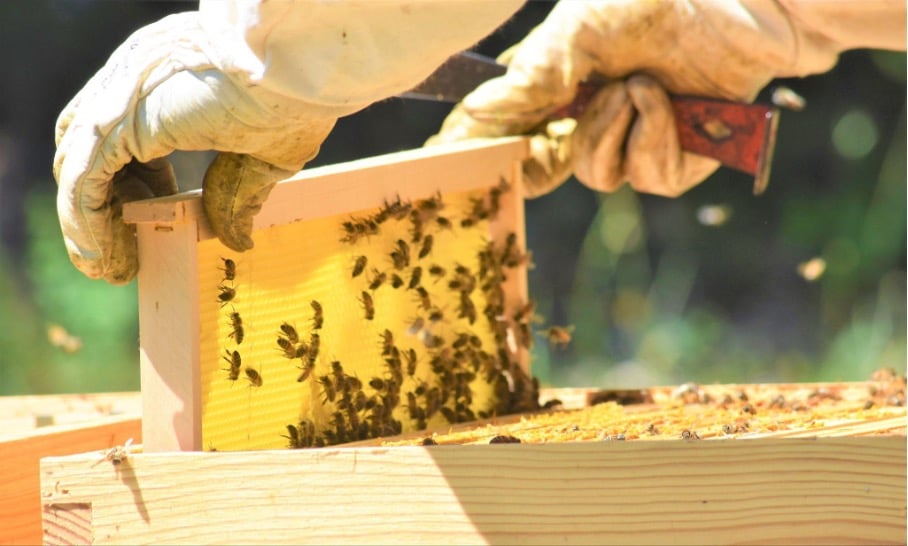
When buying wax, make sure you know where it comes from. Wax whose origin and health history you are aware of will minimise any risk once it has been introduced into your hives.
Considering these risks, rigorous wax management is essential as a preventative measure. To break the cycle of residue build-up, beekeepers must ensure their frames are regularly replaced, ideally changing two to three frames from the hive body each year. Keeping old frames for several years exposes the colony to constant contamination.
The best strategy for ensuring flawless wax is based on the self-renewal of the wax. Using the cap wax when extracting honey allows you to reintroduce a healthy, chemical-free material into your own system. Do not waste your wax. Reuse it by having it remelted into sheets by a wax processor.

As usual, please share your photos with us: we’ll post them on our website and social media using the hashtags: #apifonda #apiinvert!
See you next month on your API blog with your trusted partner, Les Ruchers De Mathieu!
LES RUCHERS DE MATHIEU
Miellerie & Magasin d’Apiculture
Photos ©lesruchersdemathieu