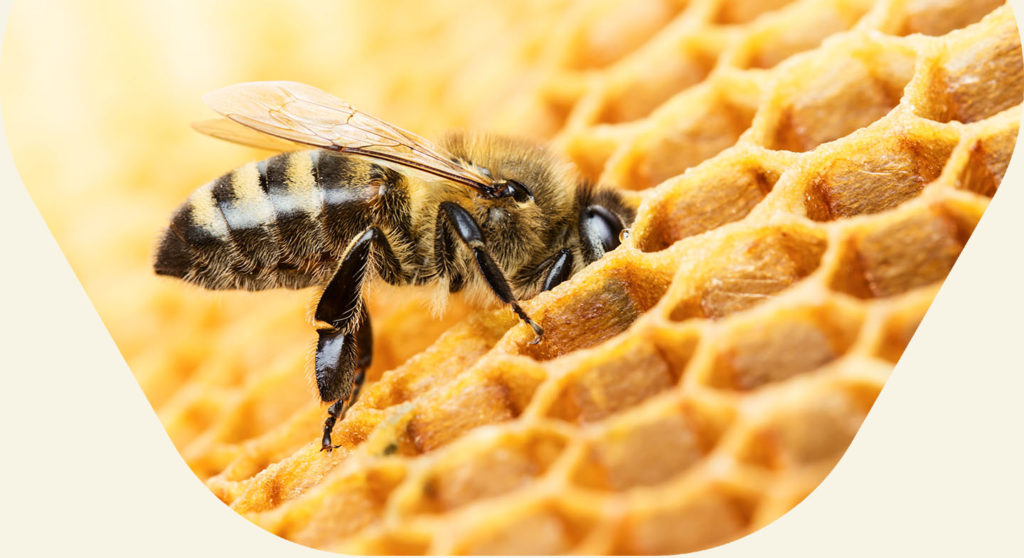




Why such a disparity between hives?
Every beekeeper has at some point witnessed this striking sight: within the same apiary. Indeed, even when placed side by side in the same climate, two hives can show radically different patterns of development. One is teeming with activity, with super boxes piled high and the bees swarming about with boundless energy. The other, more subdued, seems to be stagnating, struggling to thrive.
Why such a disparity? What determines the strength or weakness of a colony? Both nature and the beekeeper’s influence come into play here.
The reasons for this disparity can be explained by the following points:
Genetics
Every hive is unique, and this starts with the queen. Depending on her lineage (whether she is a Buckfast, a Black Bee, a Carniole or an Italian), behavioural traits vary drastically.
Some queens have a phenomenal and early egg-laying capacity, whilst others get off to a slower start at the beginning of the season. Certain genetic lines are more resistant to disease, preventing setbacks in development.
Food reserves
For a queen to lay eggs in large numbers, she must feel secure. And this sense of security is determined by the amount of food stored in the hive. A steady supply of fresh pollen is essential for good egg-laying. It is the sole source of protein used to feed the brood.
It is a virtuous cycle. If the colony has reserves of honey and pollen, the queen receives the signal to lay eggs before the main honey flows. Conversely, the foragers will not be ready in time and you will miss out on the harvest.
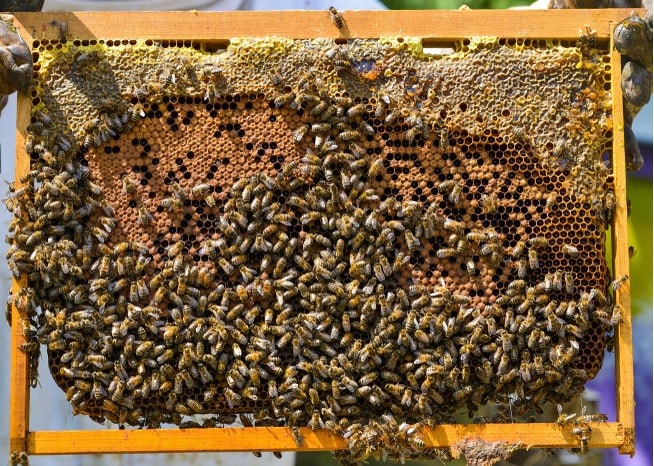
Forager bees
We know that it takes 21 days for a worker bee egg to develop into an adult bee, followed by a further 21 days spent inside the hive, during which time the bee takes on all the internal roles (nurser, builder, guard) before becoming a forager.
The beekeeper can therefore plan ahead. To ensure the hive has enough foragers for the next honey flow, the colony must be active at least six weeks beforehand: 21 days for hatching plus the first 21 days of life.
Faced with an intense but short flowering period, a weak hive will spend its time rearing brood rather than foraging. The result: the honey flow passes, and the super remains empty. Conversely, a strong hive (with a large population at the right time) will deploy an army of foragers!
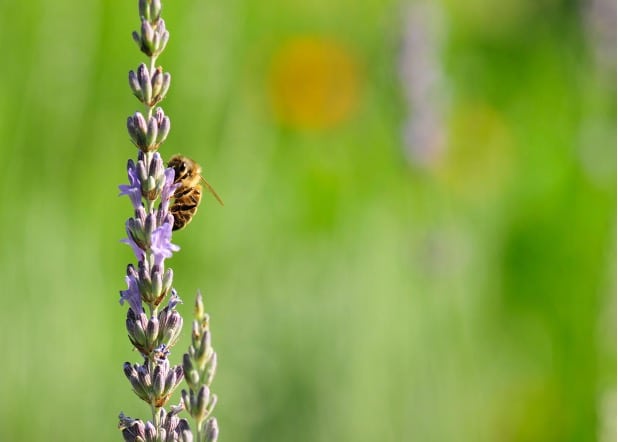
Space management
One of the biggest mistakes in beekeeping is to aim too high, too soon. A bee colony needs to maintain the centre of the brood at a constant temperature of around 35°C. To do this, the bees must heat the space.
A young swarm settled on just a few frames in a large hive will exhaust itself trying to heat the empty space. An insulating partition is essential. Reducing the space to the exact volume occupied by the bees helps them to concentrate their heat. The energy saved on heating is then channelled into rearing and gradually expanding the colony.
Adding a super too early is a classic pitfall. If you provide an extra storey to a colony that is not large enough, all the heat will rise into the super. The brood below will cool down, its development will slow, and the hive will literally come to a standstill. The super should only be added once all the frames in the main body are full.
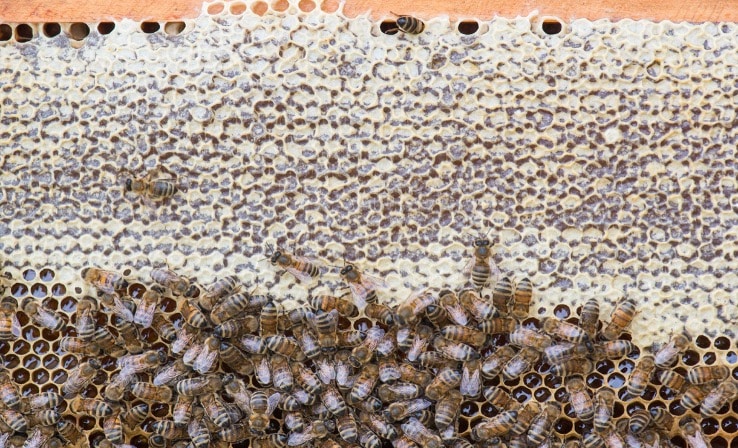
To have a strong colony, you therefore need to help it build itself up. You need to be observant and monitor it regularly, even though the weather remains a key factor that we cannot control!
As usual, do share your photos with us: we’ll post them on our website and social media using the hashtags: #apifonda #apiinvert!
See you next month on your API blog with your faithful partner, Les Ruchers De Mathieu!

LES RUCHERS DE MATHIEU
Miellerie & Magasin d’Apiculture
Photos ©lesruchersdemathieu