



Should you harvest spring honey?
Spring 2026 is spoiling us. Between the rapeseed fields that have turned the landscape golden and the sweet scent of acacia trees filling the air, the bees are spoilt for choice. But for the beekeeper, this abundance demands constant vigilance.
The rapeseed urgency: preventing the honey from turning to ‘concrete’ in the frames.
If you have hives near rapeseed crops, time is of the essence. Rapeseed honey has a distinctive physical characteristic: its very high glucose content causes it to crystallise extremely quickly.
If you wait until the summer harvest (August) to remove your spring supers, you risk finding honey as hard as stone, right in the cells. Once crystallised in the wax, it becomes impossible to extract by centrifugation. It is therefore essential to harvest as soon as the frames are capped, before the natural chemical process causes it to harden.
The good news is that the weather is on our side this year. The acacia is currently in full bloom and the conditions (warm weather and mild humidity) are ideal for nectar production.
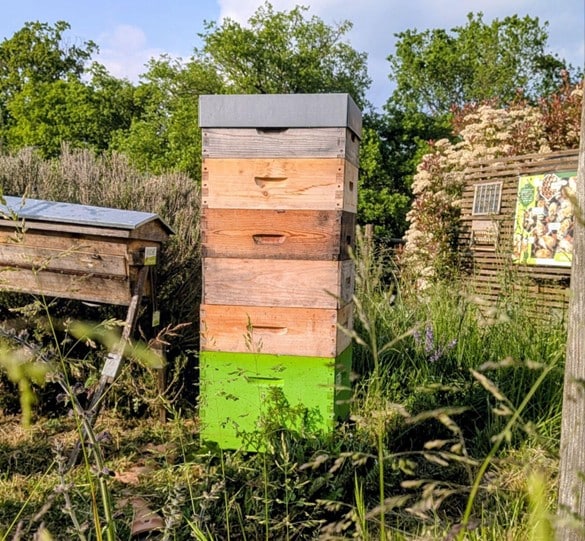
The flow is so intense that it is not uncommon to see colonies fill a super in just a few days. Do keep a close eye on your hives: if the first super is almost full, place a second, or even a third, on top. Providing space is the best way to prevent swarming and allow the bees to store this precious harvest.
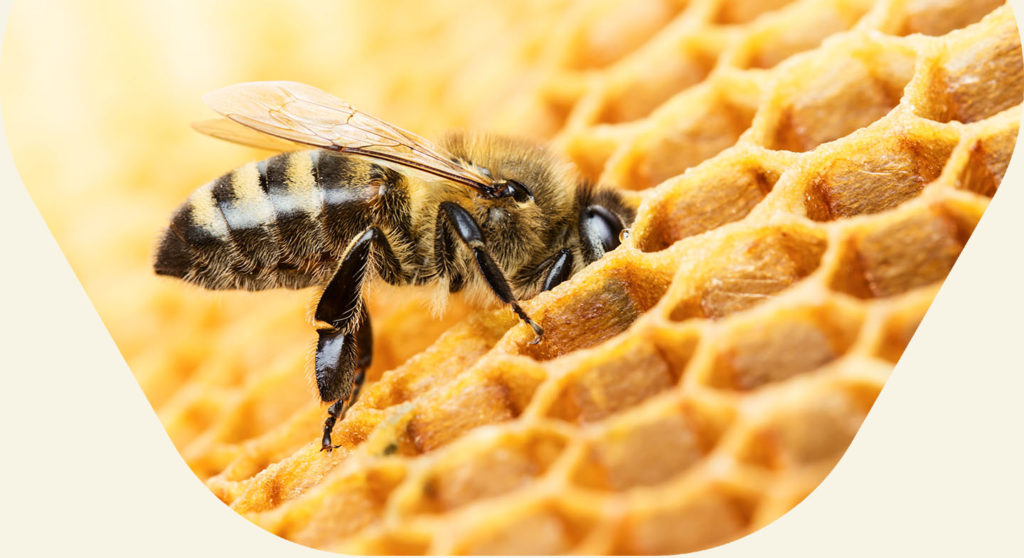
When harvesting the honey, do ensure that the frames are as fully capped as possible; in other words, that the cells are sealed with a wax cap, indicating that the nectar has been converted into honey and that the high water content of the nectar has been removed by the bees.
Harvesting frames with the brush
For those who keep bees as a hobby, the method of brushing the frames remains the simplest and most precise. Here’s how to do it:
Open your hive: lightly smoke the entrance and the tops of the frames to keep the bees at bay. Don’t use too much smoke, as this may impart a taste to the honey.
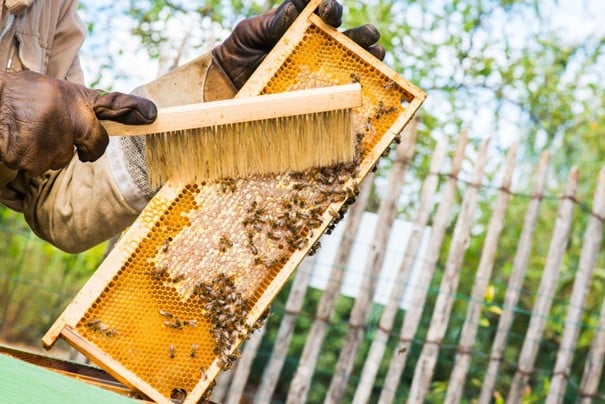
Remove the supers: take the frames out one by one. Hold the frame above the hive to shake off the bees and, using a soft brush, brush the worker bees off with a firm but gentle stroke.
Transporting the frames: immediately place the brushed frame in a closed transport box (or an empty super with a lid) to prevent the bees from returning to it.
Once your super is empty, replace the frames with built-up or waxed frames so that the bees can continue working.
Do this on a lovely sunny afternoon. Most of the foragers will be out, which will make working on the hive much quieter as there will be fewer bees around.
Spring honey is recognisable by its creamy sweetness, very fine crystallisation, white colour and a taste that is not very strong but delicate.
As usual, share your photos with us: we’ll post them on our website from the social networks with the hashtag: #apifonda #apiinvert!
See you next month on your API blog with your faithful partner, Les Ruchers De Mathieu!

LES RUCHERS DE MATHIEU
Miellerie & Magasin d’Apiculture
Photos ©lesruchersdemathieu